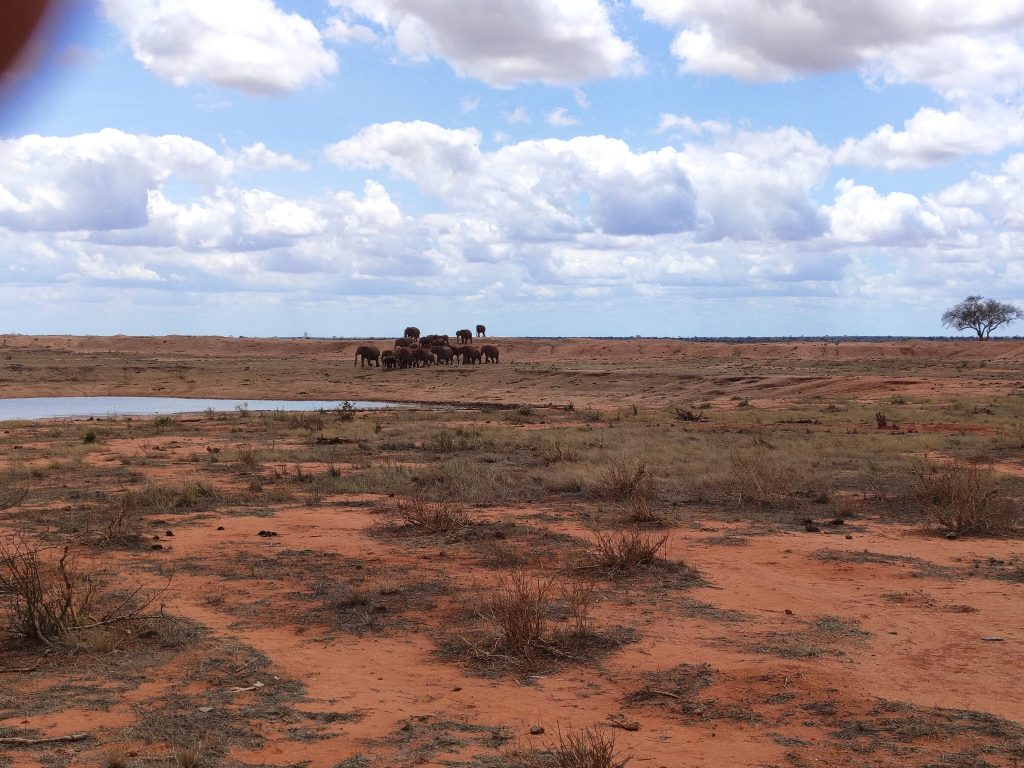

What if your next Kenyan adventure could save wildlife, protect the planet, support local communities, and give you memories that last a lifetime? Forget ordinary holidays — Kenya is home to extraordinary eco-tourism experiences that bring you closer to nature while helping preserve the beauty of Africa.
From breathtaking wildlife encounters to peaceful forest escapes and community-led cultural experiences, eco-tourism in Kenya is changing the way we travel. And the best part? You don’t have to sacrifice adventure to make a positive impact!
🌍 What Exactly Is Eco-Tourism?
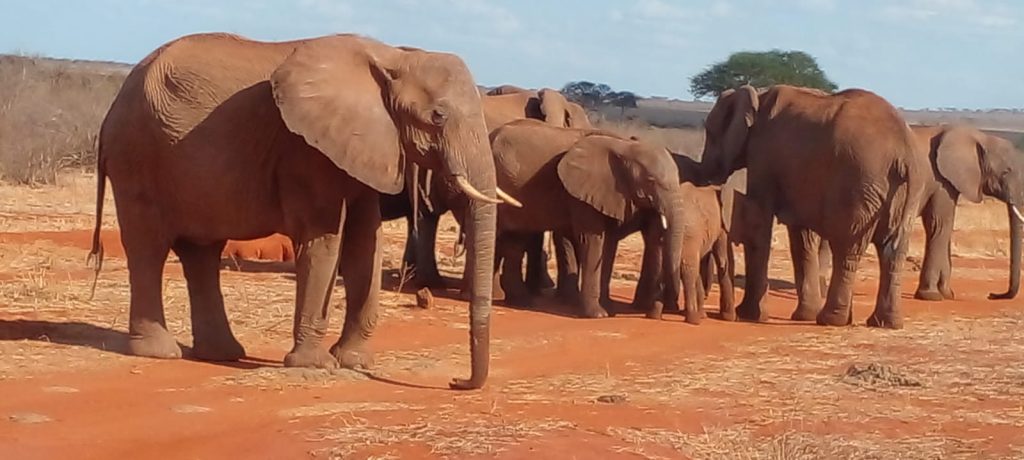
Eco-tourism is more than just visiting beautiful places. It is about exploring natural environments responsibly, conserving wildlife and ecosystems, and ensuring that local communities benefit from tourism.
In Kenya, this means enjoying incredible landscapes while supporting conservation initiatives, choosing environmentally conscious accommodation, respecting local cultures, and reducing the impact of your travels.
Think of it as travelling with a purpose — where every adventure can contribute to a greener future.
🦁 1. Experience the Wild Side of Kenya in the Maasai Mara
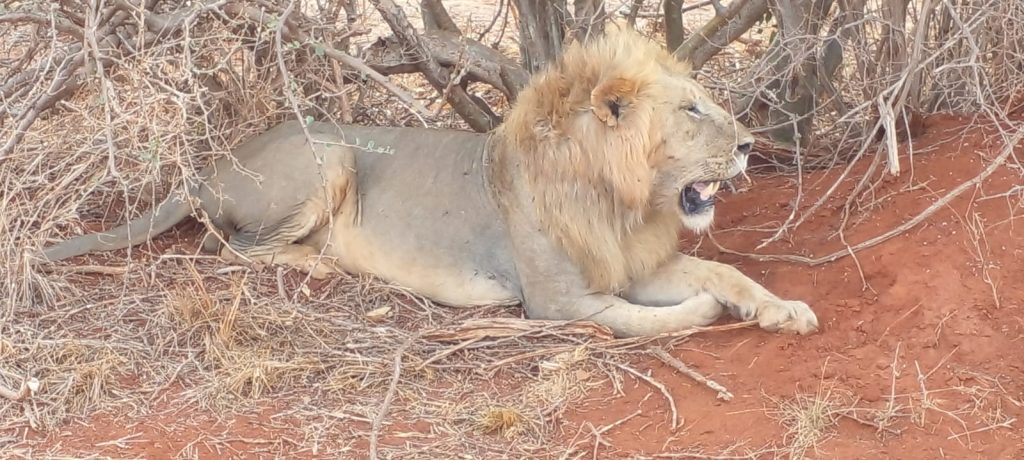
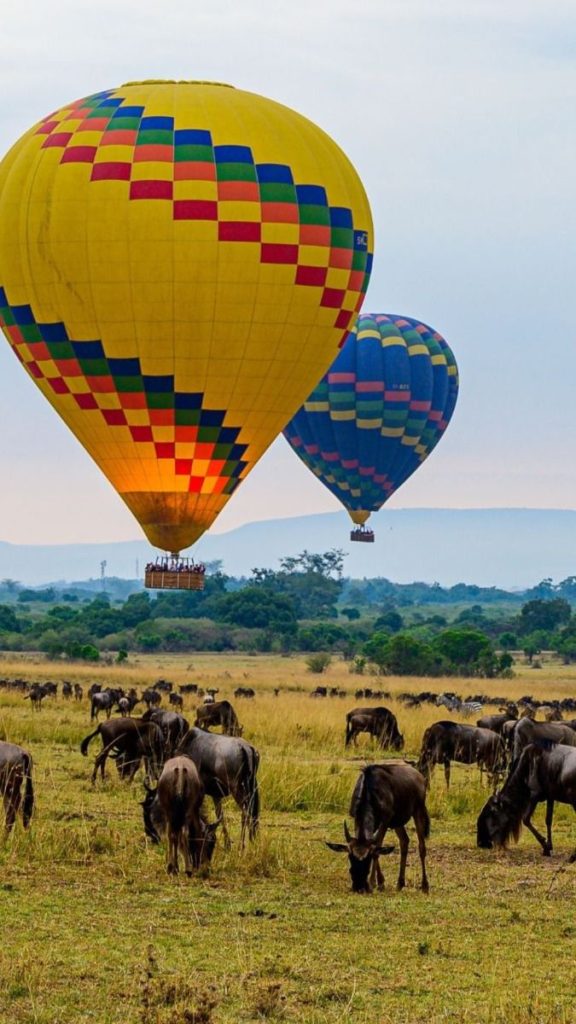
Imagine watching elephants roam freely, lions resting beneath acacia trees, and thousands of wildebeest crossing the plains during the Great Migration.
Welcome to the world-famous Maasai Mara!
Beyond its spectacular wildlife, the Maasai Mara offers opportunities to learn about wildlife conservation, community conservancies, and the importance of protecting natural habitats. Community conservancies help connect tourism with local livelihoods and wildlife protection.
The secret to travelling smarter: Consider staying at a responsible eco-camp or visiting a community conservancy where your tourism spending can support conservation and local communities.
🐘 2. Discover the Magic of Amboseli National Park
Few sights compare to a herd of elephants moving across the plains with Mount Kilimanjaro rising dramatically in the background.
Amboseli is one of Kenya’s most memorable destinations for wildlife lovers, photographers, and nature enthusiasts. It also offers a chance to understand the challenges of protecting elephants and conserving ecosystems shared by wildlife and nearby communities.
Choose responsible safari operators, follow park regulations, and observe animals from a respectful distance. Sometimes, the best wildlife encounter is the one where you simply watch without disturbing nature.
🌳 3. Escape to the Magical Forests of Kenya
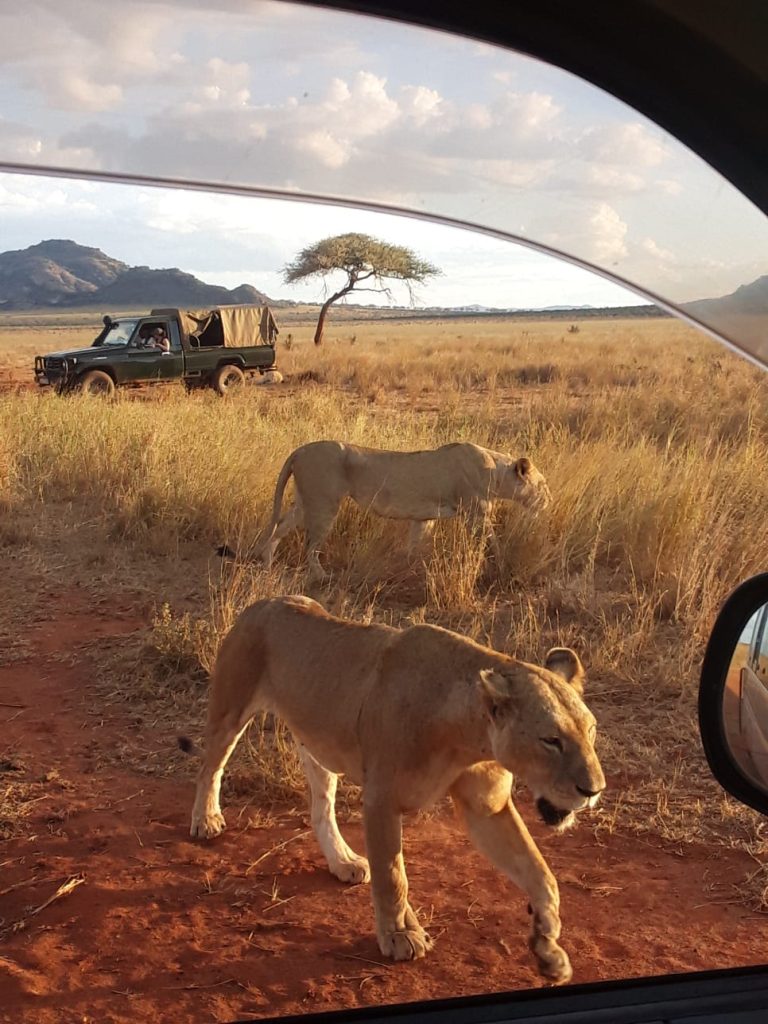
Think eco-tourism is all about safaris? Think again!
Kenya’s forests offer a completely different adventure. Explore the lush landscapes of Karura Forest in Nairobi, discover the natural beauty of Kakamega Forest, or enjoy the misty trails of the Aberdare region.
Birdwatching, hiking, nature photography, and guided forest walks allow visitors to appreciate Kenya’s incredible biodiversity without always travelling long distances.
And here’s the bonus: a forest adventure can be a refreshing escape from the noise, traffic, and pressure of everyday life.
🏝️ 4. Explore the Kenyan Coast Without Harming Its Beauty
White sandy beaches, turquoise waters, colourful marine life, and swaying palm trees make Kenya’s coastline irresistible.
But the coast is more than a holiday paradise. Its coral reefs, mangroves, seagrass beds, and marine ecosystems support wildlife and coastal livelihoods.
Destinations around Watamu and the wider Kenyan coast offer opportunities to learn about marine conservation, visit mangrove restoration initiatives, and enjoy responsible marine activities.
Make your beach holiday count by avoiding single-use plastics, never touching or standing on coral, and choosing operators who respect marine wildlife.
Your dream beach holiday can be beautiful without leaving a footprint that lasts for years.
🦒 5. Visit a Wildlife Conservancy and See Conservation in Action
National parks are incredible, but community and private conservancies offer another perspective on protecting Kenya’s wildlife.
Places such as Ol Pejeta Conservancy and the conservancies of northern Kenya demonstrate different approaches to wildlife management, habitat protection, research, and community partnerships.
Visitors can learn about endangered species, conservation challenges, and the relationship between tourism and wildlife protection.
The experience goes beyond taking photographs. It helps you understand why protecting wildlife requires long-term commitment, responsible management, and the involvement of people who share the landscape with animals.
🛖 6. Discover Authentic Cultural Experiences With Local Communities
One of the most rewarding parts of travelling in Kenya is connecting with the people who call its diverse landscapes home.
Community-led tourism can include guided cultural experiences, traditional crafts, local food, storytelling, and learning about indigenous knowledge of the environment.
From the Maasai communities of southern Kenya to coastal communities with deep connections to the ocean, these experiences can offer valuable insight into the country’s cultural diversity.
Remember to ask permission before taking photographs, respect local customs, and choose experiences where communities have a meaningful role in decision-making and receive fair benefits.
🚴 7. Try an Adventure That Doesn’t Cost the Earth
Who says an unforgettable holiday needs to involve a luxury vehicle and an expensive lodge?
Kenya offers opportunities for hiking, cycling, birdwatching, camping, and guided nature walks. These activities can help you explore the landscape at a slower pace while appreciating details you might otherwise miss.
Imagine cycling along scenic countryside roads, listening to birds in a forest, or hiking through dramatic landscapes with a local guide.
Choose activities suited to your fitness and experience, follow safety advice, and use established trails to minimise disturbance to wildlife and fragile habitats.
🏡 8. Stay Somewhere That Puts Sustainability First
Where you sleep can make a difference to the impact of your holiday.
Look for accommodation that demonstrates practical environmental responsibility, such as efficient water use, renewable energy where feasible, responsible waste management, locally sourced food, and fair employment practices.
Don’t be distracted by the word eco alone. Ask how the property reduces its environmental impact and supports surrounding communities.
A genuinely responsible stay should offer more than beautiful scenery and rustic décor. It should demonstrate meaningful action.
💚 9. How Eco-Tourism Helps Local Communities
Responsible tourism can create jobs, support small businesses, provide markets for local crafts and food, and generate revenue for conservation.
When visitors choose local guides, community-owned experiences, and responsible accommodation, more of their spending can remain within the destination.
However, these benefits are not automatic. They depend on fair business practices, community participation, transparent management, and careful protection of natural resources.
As a traveller, your choices matter. Ask questions, buy locally where possible, and support initiatives that demonstrate genuine community benefits.
🌱 10. Become an Eco-Tourist on Your Next Kenyan Holiday
Ready to make your next adventure more sustainable? Start with a few simple changes:
- Travel responsibly: Follow park rules and choose operators committed to conservation.
- Reduce waste: Carry a reusable water bottle and refuse unnecessary single-use plastics.
- Respect wildlife: Never feed wild animals or pressure guides to get dangerously close.
- Support local businesses: Hire qualified local guides, buy local products, and enjoy locally prepared food.
- Conserve resources: Use water and electricity thoughtfully, especially in areas where supplies are limited.
- Respect cultures: Ask permission before photographing people and follow local guidance.
- Leave no trace: Take your rubbish with you and avoid disturbing plants, animals, or natural habitats.
Small choices can add up when travellers, tourism businesses, and local communities work together.
🔥 Why Eco-Tourism Could Be the Future of Travel in Kenya
Kenya’s natural beauty is one of its greatest treasures, but protecting it requires more than admiration. Wildlife habitats face pressure from land-use changes, climate-related challenges, pollution, and human-wildlife conflict.
Responsible tourism can help create economic incentives for conservation while giving visitors a deeper understanding of the environment.
The future of Kenyan tourism is not simply about how many destinations we visit. It is also about how thoughtfully we experience them and whether the places we love remain healthy for generations to come.
Imagine a Kenya where thriving wildlife, protected forests, healthy oceans, and prosperous local communities are part of every successful tourism story. That is the promise eco-tourism can help advance when it is planned and managed responsibly.
🇰🇪 Final Thoughts: Travel Kenya, Love Kenya, Protect Kenya!
From the iconic plains of the Maasai Mara to the forests of the interior and the vibrant coastline of the Indian Ocean, Kenya offers countless opportunities to experience nature in unforgettable ways.
Eco-tourism invites us to see these destinations differently. It encourages us to slow down, learn from local communities, respect wildlife, and make travel choices that support conservation.
So, before you book your next getaway, ask yourself one question:
Will your next adventure simply give you amazing memories — or will it also help protect the place that made those memories possible?
Choose wisely, travel responsibly, and discover a side of Kenya that goes far beyond the ordinary holiday.
🌿 Kenya is calling. Adventure responsibly!